

Most powerful armies in the world!

Most powerful armies in the world!
That is what they say, and that is why I believe it, and it is true.
The United States of America and its allies are indeed the most powerful armies in the world, but not by a long shot.
We are the largest landmass on earth and it is very easy to defeat us when we are disorganized and overwhelmed by numbers.
In this case, we have the numbers, but how do we get the upper hand?
Well, we need a plan.
This is the best kind of plan you could have.
It is not a nice little trick that will work your magic; it is a plan that has already worked for many before you.
One that has worked because they followed it; one that can work for our situation because we have no real enemies that we must face on the battlefield other than those who are out to get our oil.
How do you ask?
Simple really, but too complicated to explain.
Well look at the history of mankind; look at all the great wars and conflicts that mankind has fought in the past.
All of them were nothing more than a struggle between competing tribes, groups, or individuals.
Those were the type of conflicts that were usually nothing more than the fair competition for territory or booty.
Now look at our enemy; we are told they are evil and come from darkness and want to destroy everything good.
They have weapons of mass destruction and want to attack the United States of America and crush us into submission.
Read full article about Best American made rifle scope.
Those are not groups of individuals running around with machetes; these are groups of organized military forces, which wish to defeat the United States of America and rule the world.
These are the group of individuals and nation-states that seek to dominate the human race with nuclear weapons.
So this is the biggest problem we face, and the only solution in my opinion; other than defeating them with the greatest armaments, is to bring in our greatest American-born minds and apply our brightest ideas into the development of these weapons.
We must create the most powerful weapons in the world, to kill off these terrorists right now.
And I intend to do this.

Because I am convinced that if we fail to do this, then the battle never ends.
Think about it; how long have we been in Afghanistan?
Twenty-seven years I believe, and that is plenty of time.
During that time the United States of America has had the most powerful military on the face of the earth.
More powerful than any other military in the entire world.
Now the Chinese have a navy with three known nuclear power plants, but do they have a fighter aircraft that can take off from China and fly to Afghanistan?
I am not saying this is fair, but I am simply stating the facts as I see them.
It is amazing how our elected officials will bend the knee before the American people and tell us that we need the largest number of military personnel ever.
Yet when it comes to sending our finest warriors to die in our wars overseas; they are only interested in the size of our Navy.
Well, I am here to tell you that is BS!
It does not matter what the size of the Navy is, what matters is how many of those ships are equipped to protect our troops.
The strongest navy is not the one with the largest number of ships, it is the one that can send the most fighters to combat.
They may have more aircraft carriers, but they are not the ones with the most powerful weapons.
Therefore, let’s get serious about fixing the problems within our military.
Do not give more resources to any politician that supports more military spending.
Please consider all this.
How to Win in a Casino?

There are so many people that want to know “How to Win in a Casino.”
This is one of the most exciting games around and it can give you the thrill of excitement.
I’m going to let you in on a little secret; if you play the game for fun, then you will most likely not have a chance of winning any money, but if you are playing to win money, then you are definitely going to have a chance of winning.
Now I have to get this out of the way, I’m not saying that if you are playing to win money, you can’t win.
That would be impossible.
However, there are certain ways to increase your chances of winning.
The first way is to do your homework before you start playing.
If you go into the casino knowing what you are doing, then you will be able to know when to walk out.
It’s a common misconception that if you bet more, you will win.
In the world of casino games, this isn’t always true.
There are certain games like Poker and Blackjack where you are taking a stand and betting your money.
These games aren’t always based on luck, although they still can’t hurt you if you have some great luck.
If you are an intelligent person then you will find a way to use the odds of the game to your advantage, source 메리트카지노.
Another tip in playing the game of chance is to know the odds.
Casino games are generally designed to be a little bit luck-based.
This is why there are so many people who think if they have the right cards or coin or something else that they will win.
Well, that’s just not true, because you are still using chance as part of the equation.
One of the best ways to keep up with the game and learn about it is to play various games.
You need to get a feel for each one and know what you need to do to win.

For example, in Poker, depending on which type of poker you are playing, you may need to hold on to your money until you see a winning hand.
However, Blackjack is a game that requires you to bet the amount of the pot and hopes you get a winning hand.
This is where you need to watch the other players and their hands because they might have the winning cards, but they also might have the amount they need to payout to leave you out of the pot.
Online gambling is another popular game for those of you who enjoy playing online games.
Most casinos offer some sort of online gambling games including online slots, video poker, blackjack, bingo, and other games.
The nice thing about these games is that you don’t have to leave your home.
You can play any time of day or night, and the money is sent to your account electronically.
Unlike live games, you can decide whether you want to wager more money or not, and you win by at least the maximum amount that you put into the pot.
If you are a new player, you may want to play a few online slots first, and learn how to play.
Then you will know when it is your time to increase your bets and when it is time to fold.
You can also decide how much to bet with each hand and decide when you are in control of the situation and ready to win or fold.
There are a number of other features that can be used, and you may want to sign up for an online casino that allows you to play multiple games, for example, keno, roulette, slots, and poker.
These online casinos typically give you a variety of bonuses as well.
One of the best ways to learn how to win in a casino?
Playing the game itself!
That is why gambling has been so popular for centuries.
The more fun you have playing the game, the more you will learn, and the more you will become successful at this exciting game.
And the best part is that with a little bit of work and knowledge, you can win a lot of money while you are having fun!
Best Cars For Beginners

The most important factor in buying a car is finding the best cars for beginners.
There are so many cars out there are thousands of websites selling cars.
With all these options to choose from, you have to take time and effort in choosing which car to buy.
There are many things that you can do to help you get started with your search quickly and easily.
Firstly, you will need to research car prices online to find out what is the average price for the model you want to buy.
In fact, this research can give you a better idea about the type of car you want.
In fact, you may not know how much you should pay initially.
This is because you will need to calculate the maintenance and gas charges into your budget.
After doing some research, decide what car you need.
What are the basic requirements of a car?
How much room do you want?
Do you plan on parking your car outside your home or inside your house?
Do you need an automatic car alarm?
Now it’s time to do some research.
You can use the Internet, your friends/relatives, newspapers, magazines, or even your friends’ cars to get the information you need.
You may also want to visit car shows to view the latest cars and check out the designs.
Then decide where you plan to buy your new car from.
Do your research.
Make sure you check how long a car lasts.
Check how reliable they are.
Read reviews online and compare prices from different stores.

Make sure to buy a car that you can afford to pay monthly or yearly.
Now you have your list of cars.
Decide which is best for you.
Remember to check the engine size, horsepower, price, and whether the car has automatic or manual transmissions.
You should also check out if the car needs new tires, batteries, or whether it will work with your existing battery.
Browse through car websites to see the latest models.
Get information about the price, model, best leisure battery, and different extras. Read customer reviews.
When you feel you have found the perfect car, make an appointment to test drive.
Test-drive a few different models and see what suits you best.
Now it’s time to buy.
Once you find the right car, research how to finance the car.
If you can’t buy the car outright, find a loan company.
You should also research and plan out how much you will spend every month on the car.
Check all the details before you finalize your deal.
You might not have to wait for a long time before you can drive the car you bought.
There are various car financing companies that you can choose from.
They offer a variety of auto loans, and you can get them approved almost immediately.

After you get your loan, always keep your car in good condition.
Regular maintenance and regular repairs can extend the life of your car.
This is very important, especially if you are buying a used car.
Ask your mechanic to give you advice on how to take care of your car.
Be careful when you buy a used car.
Before you look at any particular car, check its history and ask the seller to show you previous documents.
Most sellers will be honest, but there are some who will try to hide problems or liabilities.
If you don’t know anything about the car, ask the seller about all the technical details.
One thing you need to remember when buying cars is that it is better to buy cars that are still under factory warranty.
This way you can be sure that the car is not made to run away from you.
It is also important to get cars that come with excellent customer support services.
Look for information about service centers, warranties, registration, mileage, and other important information.
Before you buy a car, you should also check whether the car you are considering has received an excellent safety rating.
The most important thing you should do before purchasing a new or used car is to research well.
This way you will get the best possible deal on a car.
You can check with your local newspaper, the Internet, and even your friends and family to obtain more information.
Sex Tips for the Best Sex Ever!
Today, we all know that our sexuality is a gift and as such, we should treasure it.
In order to do that, we need access to great sex tips for couples.
Sex tips for couples are easy to come by.
The internet is loaded with information on everything and anything sexual.
You can get tips about sex positions and toys that will make your partner think you have been practicing for years.
We can’t deny the fact that sex is a crucial part of any relationship.
Therefore, we should take it very seriously.
If we treat it casually, it could lead to a breakup.
Sex is best left to the professionals who know what they are doing!
In addition, sex tips for couples tell us that to satisfy our partners, we need to be receptive and understanding.
This is because sex is all about being open and showing how much you enjoy giving pleasure to the person you are with.
It may be hard to believe but, one of the best sex tips for couples tells us to be a tease.
Yes, it sounds strange but, if you really look into it, you will see that this tip will have you having more fun than you thought you would.
If you are going to tease your partner, make sure you do it in such a way that your partner will be shocked.
Teasing your partner will make you feel sexy and will build a strong connection between you and your partner.
You can turn on your partner to have the best time of his or her life and, if you are good enough, they will keep coming back for more.

If you have ever seen a movie where a character is lying to his or her partner, you have a pretty good idea of what being a good tease is all about.
Good teases consist of using words like, “You look delicious tonight”, “I want to tear off your clothes” or “I can’t seem to take my eyes off you”.
You want to create an atmosphere where your partner cannot escape.
This makes him or her desire you even more.
Sex tips for couples tell us that to increase excitement, we should explore our sexual fantasies.
Sometimes, we are so caught up in our daily lives that we forget to explore our fantasies because we are so focused on living a normal life.
If you are the type of person who likes to talk dirty during sex, then make sure you let your partner know about it.
If not, you might find yourself alone wondering why your partner does not seem to find you attractive any longer.
Sex tips for couples also tell us that if we follow these tips, we will be much happier in general and, in turn, our partners will also be happier with us.
This will make sure that we are a lot happier when we are with our partner and, we hope, this will also make us feel a whole lot more aroused.
We need to let our partners know that we can do no wrong.
This does not mean that we are trying to change our partner into someone else but it does mean that we need to respect him or her and learn to love them as they are.
This might take time but, the end result will be worth it.
How do I get my website noticed?

It can be quite challenging to figure out how do I get my website noticed.
If you have an existing website then it is easier than you already have brand recognition and hopefully, traffic that is guaranteed.
If you don’t have a website or are just beginning on the Internet marketing scene then this can be a somewhat tricky question.
In this article, I will cover some of the key areas that you will want to consider.
Let’s take a look at them below:
Search Engine Optimization (SEO): This is probably the most important aspect of your website.
Search engines will rank your website based on certain keywords that are linked to your website.
This in effect will determine the amount of traffic that you receive as well as how it’s perceived by your potential visitors.
You can learn more about SEO by simply going to a search engine such as Google or Yahoo and searching for “SEO” to find out more.
Social Media: Although very similar to SEO in that it also involves a certain amount of keyword research and optimization, social media is a little different.
Social media sites such as Facebook, MySpace, and LinkedIn will provide you with a great opportunity to increase the amount of traffic to your website.
There are hundreds of thousands if not millions of people on these sites every day.
It is possible for a single video or photograph of yours to go viral and quickly gain the attention of many people.
The best way to go about getting your website noticed through Plumbing SEO and these sites is to create a profile, interact with the community, and then engage with your fans.
Guest Posting: Another easy way to help boost your website’s traffic and reputation is to post guest articles on other webmaster’s websites.
You simply need to locate webmasters who are willing to take the time to allow you to publish an article with your website link included.

Take time to ensure that the articles you write are interesting and informational.
The goal is to convince readers that they need your service or product.
Once you have written enough content, submit them to as many article directories as possible.
Back Linking: If you are looking to increase the number of eyes on your website, the best place to go is to request backlinks from high-quality websites that are related to your niche.
The higher the authority of these websites, the more backlinks you will be able to get.
The backlinks will help give your website an overall better impression of quality to search engines.
If you own a popular website, ask other website owners for backlinks.
Some sites may be willing to offer you backlinks if you are willing to provide them with some sort of incentives like discounts or free products.
It’s also important to keep in mind that search engines will not acknowledge links that are obtained through spamming.
When trying to answer the question, “How do I get my website noticed?” it is important to note that there are no magic formulas.
You should be creative and come up with original ways to promote your website to increase traffic.
If you follow these simple steps, increasing the amount of traffic that you receive to your website should be an easy task.
Best Internet Service Providers?

So, what are the best internet service, providers?
It can be quite a challenge to find one that can give you a service that is up-to-date, while still offering you the services you need and at an affordable price.
One way to differentiate yourself from your competition is to make sure you have the latest technology.
You want your service provider to have all the latest equipment and software to deliver top-notch service.
There are many options available when searching for the right internet provider for you.
Each company offers different packages and prices.
Spend some time reviewing the different providers available and then compare them based on various factors.
It’s important to look into everything from pricing, reliability, customer service, and download speeds to help ensure you choose the right option for your needs.
Here are a few things to look for to ensure you find the right company:
The speed of your internet connection is important.
There are some service providers that offer extremely fast downloads, but there are others that are almost impossible to download anything from.
Make sure you take a close look at download speeds since this is important if you need high quality with your download.
You may also consider the cost and reliability of the internet service provider.
Are you going to stick with them for a while or do you feel that they aren’t as reliable as they claim?
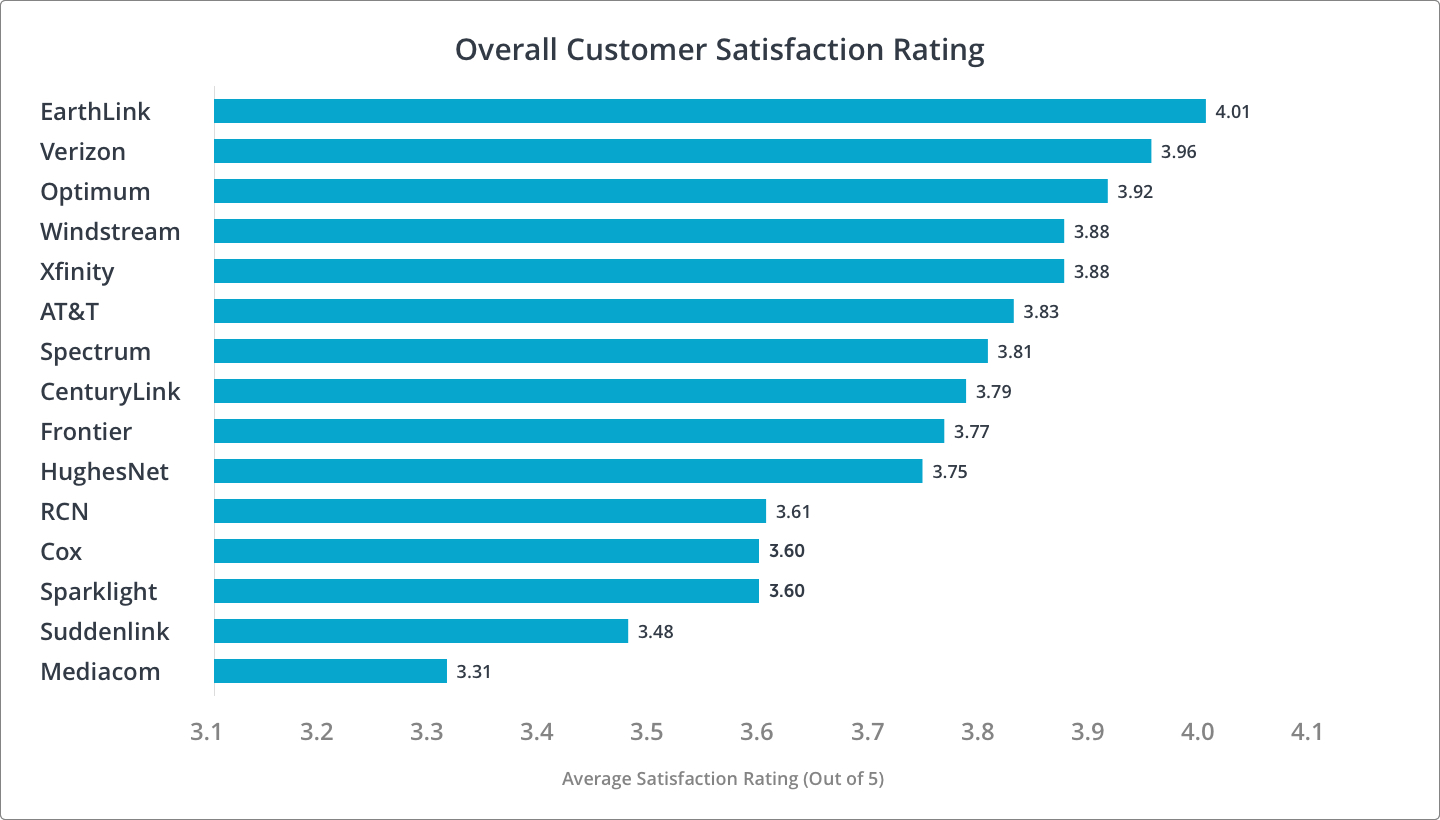
When it comes to service, you want dependability.
Not only is reliability important but you want consistent service.
If your service goes down a lot, it can seriously affect your ability to get work done and spread your ideas around the office.
Look into service providers that offer a money-back guarantee so if you aren’t satisfied, you can get your money back.
Once you’ve narrowed your search to a handful of providers, check into their customer service.
You want to work with people who are knowledgeable about the different internet plans they offer and are able to assist you with any problems or questions that you have.
Check out the online reviews and network digital signage tips of the internet companies that you are most interested in seeing what their customers have to say.
One of the worst things that can happen when choosing from the many service providers is getting a poor service plan.
You don’t want to sign up with the first company you run across, which means do your research and pick the internet service that fits your needs the best.
The more you know about the companies and the service they offer, the better off you’ll be.
Internet service providers are plentiful, so take your time, learn about each one, and choose one that offers high-quality service.
Best Android Apps for 2021
It’s time to look out and see what’s new in the Android market with the Best Android Apps for 2021.
This year will be a great year for software and technology, so now is a great time to be alive and kicking with apps that will be a major hit and one that will continue to dominate the future of computing.
Here are some new ideas for the Best Android Apps for 2021.
The Best Android Apps for this new year is a productivity program that can help you get your work on track and organize your life.
Apps like Tapp, Calendar, Contacts, Toodled, Organize, iWork, and more all integrate together to allow you to not only have an app for your personal life but a productivity app that works for the rest of your life.
It basically combines your email, your calendar, and your contacts into one cohesive software package.
You’ll be able to access your software from any computer at any time, and it even integrates with your cellular phone to allow you not to miss calls while you’re on the go.
Next, there are health and fitness apps.
This category covers everything from weight loss and fitness to meditation and yoga.
There are apps for almost every possible ailment or physical condition.
Some apps even offer an online doctor who can give you advice about your health conditions and can even tell you if you are suffering from a certain disease.
Other apps have games that are full of fun and interactive, such as the popular Warpath Redemption Codes or Angry Birds, or even more complicated games for those who want something more serious or engaging.
For entertainment, there are apps that let you listen to music, watch videos, play games, or even view television.
The best apps have the right balance between entertainment and functionality.
Music software should be easy to use, and able to quickly navigate through playlists and track your progress.
Video software needs to be easy to navigate and play, but still, be powerful enough to let you view different kinds of media.
Games, meanwhile, need to have multiple levels of difficulty and be engaging and exciting enough to keep you coming back for more.
:max_bytes(150000):strip_icc()/001_Android_Launchers_4685951-8663b5a00c1d4284a46fc8ea8f971d57.jpg)
You’ll also find a great number of travel apps that let you discover new places, explore new cities, and make memorable trips around the world.
When it comes to business, the list of Android apps for corporations is pretty long and extremely comprehensive.
Whether you own a huge corporation or just work for a small company, there is software available to help you get the job done.
You’ll find apps to manage your business contacts, track your productivity, and plan your travels.
Some apps even let you earn money for bringing customers to your hotel and even make hotel reservations.
There are travel-related apps as well, letting you search for deals and book your tickets ahead of time.
Other apps, for example, those that let you track your fuel consumption and mileage, can help you save money.
As you can see, there is a wide and extremely well-rounded selection of Android apps for anyone’s lifestyle and needs.
Whether you want to play some music, watch some videos, check your email, or even play games, you’ll be able to find what you need with an excellent selection of apps.
The best part about Android apps, however, is that they are open-source, so they are free from many of the bugs you might encounter on other, paid software.
This means that Android apps are always going to be cutting edge and are always improving.
What could be better than that?
If you’re ready to start exploring the world of Android, it’s time to start looking for the right one.
Numerology: What is Numerology and How Does it Work?

So, what is Numerology and how does it work?
Numerology is the study of numbers.
It has been around since the ancient civilizations of Egypt and Greece.
The Babylonians were known for their knowledge of the planets and their relation to the cycles of the moon, thus making use of the moon cycle as a tool for understanding numerology.
Early Greek mythology also speaks of a person born at the first full moon of a month, which was referred to as the numerous summit, the moon god.
This practice carried on into the second century and was known as amphetamine or numismatistikos.
Numerology is studied today using many different methods.
Most people rely on computers to help them understand their relationships to numbers. However, other people continue to make use of direct experience with numbers to better understand the meanings and implications of their relationships to numbers. These individuals are called horologists. A horologist will use a number of different instruments to determine the placement and time of year in terms of numbers in his or her birth chart.

One method that is commonly used is the Numerology Chart, which is essentially a cross-reference tool used to compare and contrast two numerology charts, one from the time of one’s birth and one from another time period. The idea is to find similarities between the two charts and determine which birth time corresponds with which astrology sign.
If these tools are successful, the chances are good that the person is able to understand the meaning behind the signs found on his or her numerology chart.
However, more than half of all those who try this method of numerology interpretation eventually come away empty-handed.
In most cases, a person who is attempting to connect his or her personality, destiny, and patterns with numbers will be astounded by what they see. They will see in detail, what others can only see by way of blurry images that are superimposed over computer screens.
They will also be shown what they are supposed to be doing every day of their lives, angel numbers 2020, and how this will affect their future. When this is combined with the person’s zodiac sign, there are even more implications. All of these can lead a person down the path to success and happiness.
As mentioned earlier, a person will consult his or her birth chart when consulting a professional or experienced numerologist about the meaning of his or her birth chart. This is because the charts contain information and data that only an astrologer has at his or her disposal.
In some cases, the person will not even be aware that he or she is using a birth chart to interpret his or her life. This is why it is important that the people who want to work with a numerology expert must first consult a professional before getting started.
Even though the field of numerology is interesting and promising, many people are skeptical. This is why a lot of people hire astrologers to help them interpret their daily routine. Many also choose to use numerology when planning for their financial future. However, not everyone follows this practice. Instead, they prefer to study laws or business or any other kinds of professions.
Testosterone: Functions
Testosterone is a hormone that has many important functions in the body.
First, it is an anabolic hormone, meaning it promotes the growth of bone and muscle tissue as well as serving to maintain the health of reproductive organs such as the penis and prostate.
Second, testosterone is a metabolic substance that controls other hormones such as estrogen and is key to the production of sperm.
And third, testosterone is an anabolic androgenic hormone that is responsible for maintaining bone mass and muscle mass and is critical in the recovery and repair of muscle tissue after physical injury.
As you can see, there are many different functions that testosterone plays in the body.
It is vital for men to produce and maintain high levels of testosterone, which is why men are at a greater risk of developing…
- Androgynous sexual disorders
- Low sperm counts
- Decreased production of muscle
- Bone Tissue
- Decreased muscle and bone strength
- And decreased libido.
Testosterone deficiencies can have a devastating effect on a man’s sex and reproductive health.
To compensate for these deficiencies, men have developed products to artificially boost testosterone in the body.
However, while these supplements may help a man to some extent, they do not address many of the deficiencies.
Most of the testosterone deficiencies are caused by the low bioavailability of testosterone.
Low bio-availability means that the testosterone gets eliminated from the body before it can perform its functions.
This means that the body must rely on external sources for the production and release of testosterone, and this can be very difficult.
Some supplements may help to improve the body’s bioavailability of testosterone, but they also contain contaminants that can further compromise the body’s bioavailability of testosterone.

Some supplements may include artificial ingredients and chemicals, synthetic hormones, and other chemical contaminants that can interfere with the production and release of testosterone.
Another way that testosterone supplements can interfere with the androgenic properties of the body is through their use in men who have hypogonadism.
This means that the body produces too much testosterone or lacks the ability to produce testosterone at all.
These supplements may temporarily increase the testosterone levels of a hypogonadism patient, but once the effects of the medication wear off, these levels will usually decrease again – https://steroideapotheke.com/roidstation-com-alternative-2020/.
This can be frustrating for a person trying to treat his or her condition with testosterone deficiency and can also lead to harmful side effects.
A third way that testosterone supplements can interfere with the body’s ability to naturally balance testosterone production and release is through their use in a person suffering from Andropause.
As men go through the process of aging, the amount of testosterone produced and stored in the body gradually decreases.
Testosterone deficiency symptoms in older men are usually depression, decreased sex drive, loss of muscle mass, decreased energy levels, and hot flashes.
While testosterone replacement therapy can sometimes help relieve these symptoms of Andropause, these supplements can actually stimulate the production of testosterone and thus increase these symptoms even more.
There are some drawbacks to taking testosterone supplementation.
Most notably, because testosterone is an anabolic hormone, it requires an anabolic environment to be released and does not easily fit into a diet or lifestyle.
For this reason, it is much more commonly used as a dietary supplement than a topical one.
Moreover, testosterone is made by the liver, so any problems with this organ could lead to other serious health issues.
While there are many benefits to testosterone, its use should be carefully considered and used as directed.
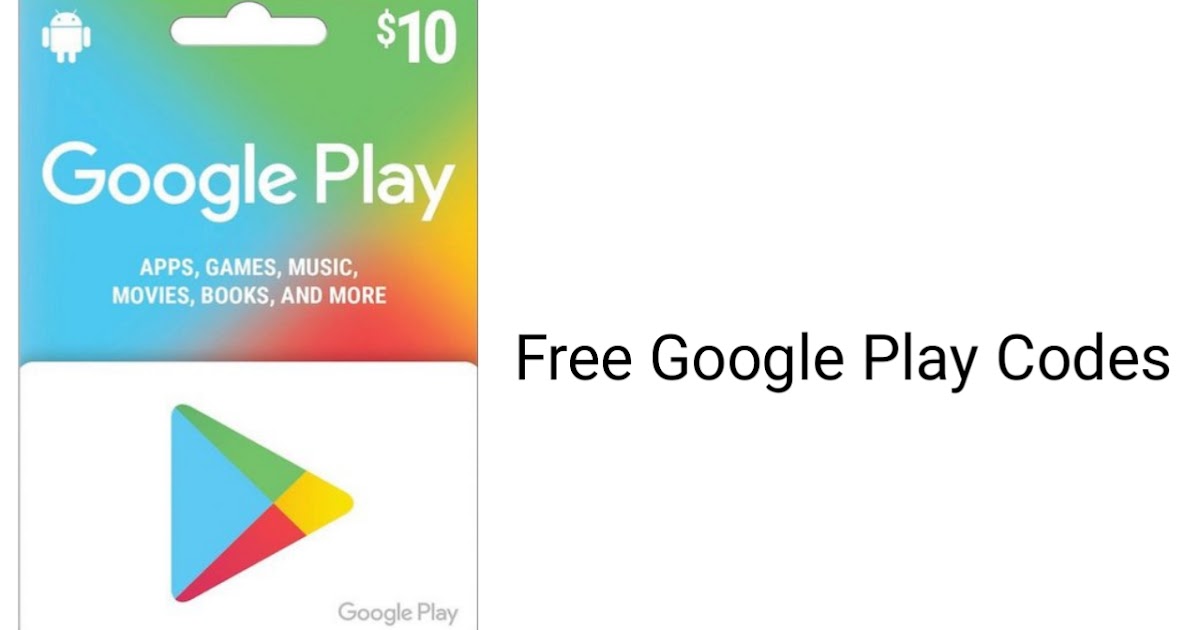
Free Google Play Codes

If you’re a player who’s looking forward to trying out new apps, then you definitely ought to check out free Google Play Cards.
These free and extraordinary Google Play Cards are provided as promo codes by Google and various third-party app vendors.
They are intended to be used within the Google Android mobile software and for playing games, accessing online media content, shopping online, and so on.
They are completely free and they can really make your smartphone all the more exciting.
As soon as you get hold of these free Free Google Play Codes, you’ll instantly be able to experience all the fun features that Google has to offer on its latest apps.
Since these promotional Google Play Cards can be acquired absolutely free of cost, their introduction into the Android ecosystem has really been a boon for aspiring entrepreneurs.
As soon as you acquire one, you can immediately begin enjoying its countless benefits.
You can use it for shopping online, downloading free ring tones, playing online games, accessing media content, receiving text messages, and so on.
All these activities require a credit card but with free Google play codes, you can forget about getting stuck with an expensive credit card debt.
These promotional Google Play Cards come with free shopping online rewards, which are available for every purchase you make using your smartphone.
The free gift card that you get once you complete all the in-game challenges also comes with a plethora of goodies like free entry to popular online casinos, free hotel stays for an entire weekend or holiday, discounts on select products and services, and so much more.
To top it all, these are all entirely free and with just a single swipe of your smartphone, you can already start enjoying the numerous benefits these free Google Play Cards bring.
In order to maximize your Google Play Card experience, you should know how to grab points and earn free Google Play Cards.
The way to do this is through the in-game currency known as swag.
Like many of the other currencies available in the Android ecosystem, swag can be acquired in a variety of ways.
The most common method to earn swag is by buying gift points through the My Account section of the Google Play app; these can then be redeemed with a variety of in-game items including gift cards.
Apart from swag, there are other currencies in the Android ecosystem that you can use to earn credits.
These credits can then be spent on purchasing items, accessing free services, playing games, and so on.
A favorite method to earn credits is through the in-game purchase of premium apps; these premium apps have features that are exclusive to the Google Android platform and can thus be rewarded with attractive in-game credits.
Examples of premium apps that are frequently offered as in-game credits include magazines, newspapers, apps, and so on.
To get premium apps, you should access the Google Play Store and look for the appropriate category or store to look for the app you want.
Whether you are into free Google Play Cards or simply looking for ways to earn credits in the Android mobile ecosystem, it should be noted that the practice is becoming popular.
With more people investing their time online, especially on smartphones, the possibility of freebies and in-game promotions are also getting greater.
Free Google Play Cards can thus be seen as a great way to cash in on the latest mobile technology craze.
About Author

BRAD APEL
The Fifth Conference is an innovation platform. Our goal is to stimulate innovation and entrepreneurship around the world. We interview innovators, publish a journal, organise events and make this website.
 Most powerful armies in the world!
  How to Win in a Casino?
  Best Cars For Beginners
  How do I get my website noticed?